
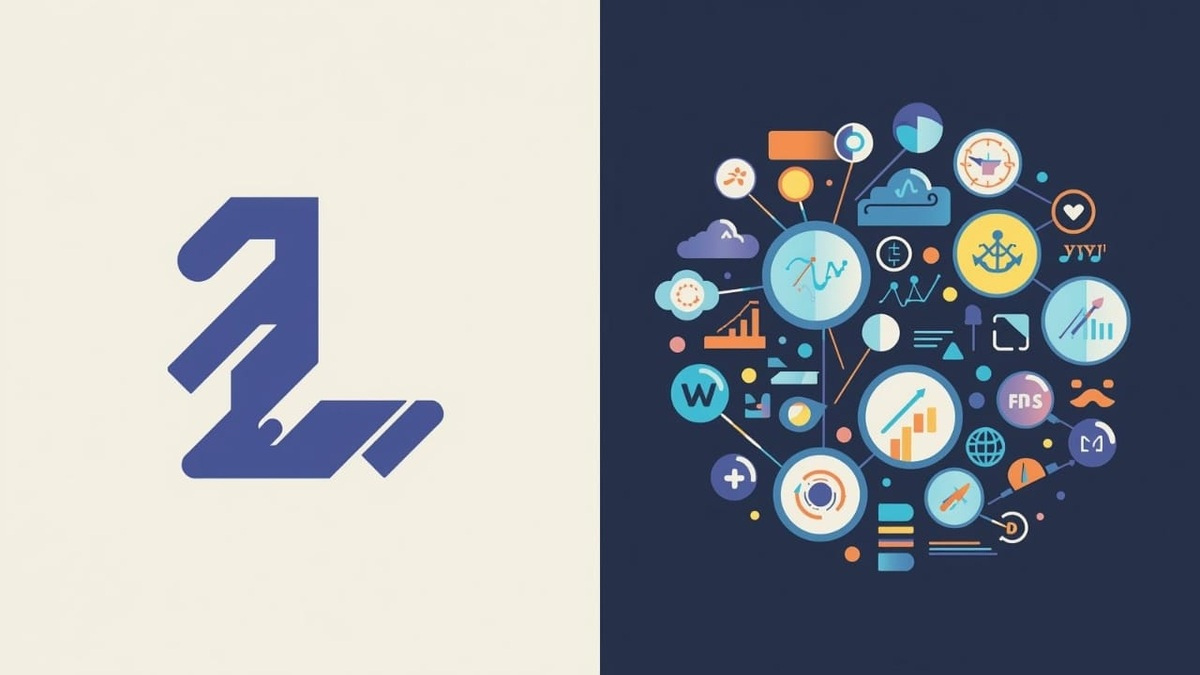
When it comes to building a business, two terms are often used interchangeably , logo and brand identity. Many people assume they mean the same thing, but in reality, they serve very different purposes. Understanding the difference between the two is essential if you want to create a brand that truly connects with your audience and stands out from the competition. Let’s break down the misconceptions and explore how each element plays a crucial role in shaping your overall brand.
1. What Is a Logo?
A logo is a visual mark or symbol that represents your business. It’s often the first thing customers notice about your brand. A good logo is: Simple yet memorable , easy to recognize at a glance. Relevant , reflects your business values, products, or services. Versatile . looks great on everything from websites to business cards. Think of your logo as your brand’s face , it identifies you, but it doesn’t tell your entire story. Example: Nike’s “Swoosh” or Apple’s bitten apple , simple images that have become global symbols. On their own, these logos don’t describe the company, but they instantly spark recognition and emotion because of the powerful branding behind them.
2. What Is Brand Identity?
Your brand identity is the complete picture , everything that shapes how people perceive your business. It includes not only your logo, but also:
- Colors, fonts, and imagery
- Tone of voice and messaging
- Design style and brand personality
- Customer experience across platforms
Brand identity is how your business looks, sounds, and feels to your audience. It’s what builds trust, emotion, and loyalty over time. Example:When you think of Coca-Cola, you don’t just picture the red-and-white logo. You think of happiness, sharing, and togetherness , all reinforced through ads, packaging, and consistent storytelling. That’s brand identity in action.
3. Logo vs Brand Identity: Key Differences
Aspect Logo Brand Identity Definition A visual mark or symbol The overall visual and emotional experience of your brand Purpose To identify and represent the brand To shape perception and create connection Scope Part of branding Encompasses all branding elements Lifespan Can remain unchanged for years Evolves as the brand grows Emotional Impact Recognition Connection and loyalty Simply put: your logo introduces your brand , your identity builds the relationship.
 4. Why the Difference Matters
Many businesses focus only on creating a logo and assume they’ve built a brand. But without a strong brand identity, a logo is just a mark , it won’t make people care.
Here’s why understanding the difference matters: It builds credibility: A consistent identity across all channels builds trust. It enhances recognition: A logo backed by a strong brand story is more memorable. It drives emotional connection: Customers connect with what you stand for, not just how you look. It strengthens marketing efforts:
A cohesive brand identity ensures your visuals and messages align everywhere , from social media to packaging.
5. How to Develop Both Effectively
To create a powerful brand, you need both elements working together:
- Start with strategy , Define your mission, values, and audience.
- Design a meaningful logo , Simple, relevant, and timeless.
- Build your identity system , Choose consistent colors, fonts, and visual styles.
Maintain consistency , Apply the same look and tone across all marketing materials. Evolve over time – Refresh your identity as your business grows, but keep your core essence intact.
Final Thoughts
Your logo is the visual cornerstone of your business, but your brand identity is the heart and soul that brings it to life. A great logo makes people recognize you; a strong brand identity makes them remember and trust you. In short , your logo identifies your brand, but your identity defines it. Investing in both is the key to lasting success in today’s competitive market.
Featured image by Freepik